
Imagine starting your day at your shop and seeing hundreds of people waiting outside, eager to learn about what you offer.That’s the kind of attention a strong online presence can bring.Nowadays, people search, scroll, compare, and make purchases on their phones long before they even visit a store.If your business isn’t visible where they look, your competitors will take your place.
That’s where digital marketing comes in.
Whether you own a local store, a growing business, or a service company, understanding this can change how you attract and keep customers.In this guide, you’ll learn what digital marketing is, which channels are most effective, and how to use them to grow your business step by step, without any complicated terms.
Understanding the Basics of Online Promotion
At its core, digital marketing is about promoting a product, service, or brand through online tools.
Think of search engines, social media, email, websites, mobile apps, and online videos.Any time a business uses these tools to reach people, it’s doing digital marketing.
The goal is simple: put the right message in front of the right person at the right time, then guide them to take action.
That action could be buying something, setting up a meeting, signing up for a newsletter, or just following your page.
How It Differs From Traditional Advertising
Traditional ads, like billboards or radio spots, speak to a wide audience and hope a few people respond. You pay upfront, and it’s hard to measure what actually worked. Online marketing is different.
You can choose who sees your message based on age, location, interests, and online behavior.You can see how many people clicked, how long they stayed, and what they bought.This clarity lets you spend money where it works and avoid wasting it elsewhere.For small businesses with limited budgets, this difference is huge.
The Main Channels That Power Online Marketing
There’s no one tool that does everything.
Successful brands use a few channels that work together.Here are the five most important ones to know.
Search Engine Optimization
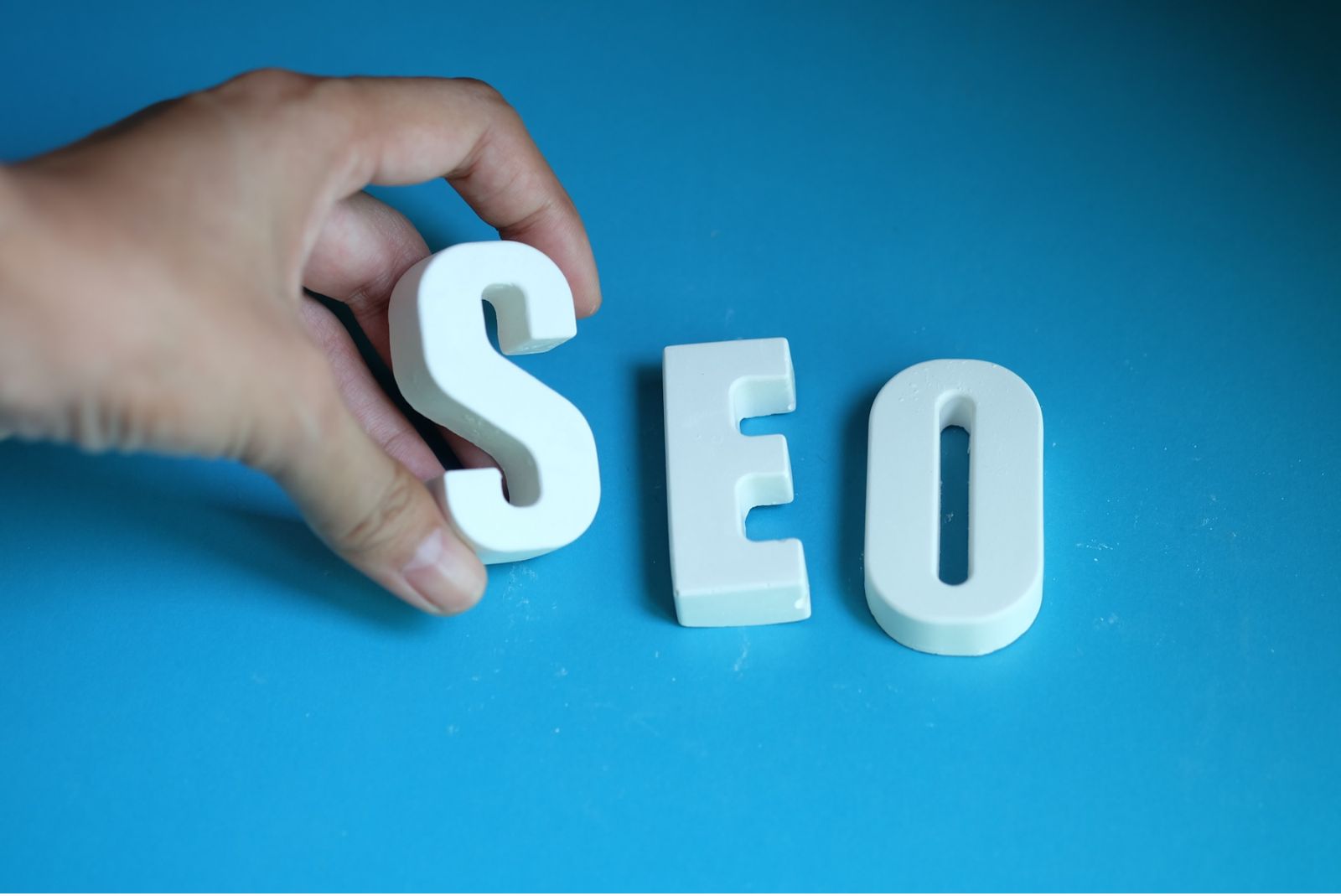
Search engine optimization, or SEO, helps your website appear higher when people search online.
If someone types a question related to your product, you want your page to be the answer.SEO means using the right words, making your site fast and mobile-friendly, and gaining trust from other websites.It takes time, but the traffic it brings is steady and doesn’t cost money per click.For example, a bakery that ranks for “fresh cakes near me” can attract hungry customers every day.
Content Marketing
Content marketing means creating helpful material that answers your audience’s questions.
Blog posts, videos, guides, infographics, and podcasts all fall under this.Instead of pushing a sales message, you offer real value first.A plumber who shares tips on preventing frozen pipes becomes the first name people think of when a pipe bursts.Good content also helps your other marketing efforts by giving you something to share on social media and in emails.
Social Media Marketing
Platforms like Facebook, Instagram, LinkedIn, TikTok, and YouTube let you connect with people where they already spend their time.
You can share updates, show behind-the-scenes moments, answer comments, and run polls.The real power is in conversation.When customers feel heard, they stay loyal and tell their friends.Choose the platforms your audience actually uses instead of trying to be everywhere at once.
Email Marketing
Email might seem old-fashioned, but it’s still one of the most effective tools available.
People who sign up for your email list have already shown interest, making them more likely to engage.You can send welcome messages, product updates, special offers, and helpful tips.Since you own your list, you’re never at the mercy of changing social media rules.
Paid Advertising
Paid advertising puts your message in front of people quickly.
Search ads, social media ads, and display banners let you target specific groups and pay only when someone clicks or views.
It’s a great way to quickly test an offer or give a new product a boost while your natural marketing efforts start gaining speed.
Start with a small amount of money, keep an eye on the results, and only spend more on what actually works.
How Online Marketing Helps Your Business Grow
When done right, digital marketing does more than just bring people to your website.
It helps turn a stranger who doesn’t know you into a loyal customer who will tell others about you.Here’s how that growth happens.
Reach a Wider Audience
Your physical shop is limited to people who walk by, but your online presence isn’t.
With the right plan, a small-town business can serve customers all over the country or even the world.You can also reach people exactly when they’re looking for what you offer, making each visitor more valuable than someone just passing by.Local businesses also benefit because targeting based on location helps nearby customers find you first.
Build Trust and Brand Awareness
People usually don’t buy from a brand they haven’t heard of.
Regular posts, helpful articles, customer reviews, and quick replies to questions show that you are real and trustworthy.Over time, this consistent presence helps people recognize your brand.When someone finally needs what you sell, your name will already be familiar, and familiarity often makes your product more appealing than a cheaper but unknown competitor.Good reviews act like word of mouth online, reassuring new customers that others have had a good experience.

Control Your Budget
You don’t need a big budget to compete.
Online channels let you start small, try different ideas, and scale what works best.Many activities, like writing blog posts or posting on social media, mostly cost time.Paid ads can start with a small daily budget and be stopped instantly if they don’t work well.This flexibility makes online marketing a good fit for startups and family businesses.Compare that to a printed ad, where money is gone the moment it is published.
Measure and Improve Results
Every click, visit, sign-up, and sale can be tracked.
Free tools like Google Analytics show which pages attract visitors, where they come from, and where they leave.With this information, you can fix what’s not working, repeat what’s successful, and make decisions based on real data instead of just guessing.Small improvements, like a better headline or button, add up to big growth over a few months.
A Quick Example of Online Marketing in Action
Imagine a small fitness studio that couldn’t fill its early morning classes.
The owner started by making the website better for local searches, then posted short workout videos on Instagram and sent out weekly emails with healthy tips.A small ad campaign offered a free first class to people living within five kilometers.Within three months, class attendance doubled, the email list grew to hundreds, and members began sharing their progress online.Nothing about this plan was complicated.It simply used a few channels, spoke to the right audience, and checked results every week.
Set Clear Goals
Decide what success means before spending any money.
Do you want more website visitors, more phone calls, or more online sales?Make your goal specific and something you can measure, like getting 50 new email subscribers this month.Write it down and share it with your team so everyone is working toward the same goal.Clear goals keep your efforts focused and make it easier to see your progress.
Know Your Audience
Imagine your ideal customer.
How old are they, what problems do they face, and where do they spend time online?Talk to your current customers, read their reviews, and notice the questions they ask.Avoid making guesses because real conversations show real needs.A simple customer profile on one page is often enough to guide your decisions.The better you understand your audience, the more natural and convincing your message will be.
Pick Two or Three Channels
Beginners often try to do everything and end up overwhelmed.
Choose two or three channels that match your audience and budget, then do them well.
A local restaurant might focus on Instagram and search listings, while a consulting firm might prefer LinkedIn and email.
It’s better to focus on a few platforms instead of spreading yourself too thin, and you can always add more later once your routine feels comfortable.
Track and Improve
Check your numbers every week.
See what’s working, stop what’s not, and try small experiments.Tools like Google Analytics and the built-in insights on social platforms make this easy, even for beginners.Keep a simple spreadsheet of key numbers like visitors, leads, and sales so you can spot trends over time.Marketing is a habit, not a one-time event, and patience pays off.
Common Mistakes to Avoid
- Even smart business owners make mistakes at first.
- Watch out for these common errors:
- Skipping a plan
- Posting randomly without a goal wastes time and money.
- Ignoring mobile users.
- Most visitors come from phones, so your website must load quickly and look good on small screens.
- Chasing quick wins.
- Real growth takes months, not days, so stay consistent.
- Forgetting to engage.
- Reply to comments, messages, and reviews quickly to show you care.
- Not tracking results.
- Without data, you can’t know what to repeat or fix.
Conclusion
Online marketing is no longer just for big brands.
It’s a practical, affordable way for any business to be found, trusted, and chosen.Start with a clear goal, understand your audience, pick a few channels, and improve week by week.The businesses that grow fastest are rarely the ones with the biggest budgets.They are the ones that stay consistent, listen to their customers, and keep learning.
So, what is digital marketing at its best?
It’s a conversation with people who are already looking for what you offer.Join that conversation with confidence, and your business will feel the difference.
Ready to take the next step? Visit the IT Advice website today and discover how expert guidance can help you build a stronger online presence and turn more visitors into loyal customers.
Frequently Asked Questions
How much does online marketing cost for a small business?
It depends on your goals and the channels you choose.
Some activities, like sharing posts on social media or writing blog content, mainly use your time and don’t cost much money.Paid ads can start with a small daily budget, even a few dollars, and you can increase it later once you see good results.
How long does it take to see results?
Paid ads and email campaigns can show results within a few days.
However, things like search engine optimization and creating quality content usually take three to six months to bring in steady traffic.It’s more important to stay consistent than to rush.
Which channel should I start with?
Choose the one where your audience is already spending time.
Local service businesses often do well with search listings and social media, while consultants and B2B companies usually get more value from LinkedIn and email.Pick two or three channels and focus on doing them well.