

The old-fashioned approach to SEO involved keyword research, backlink building, technical optimizations, and a lot of trial and error.In the past, SEO was all about hours spent on keyword research, building backlinks, fixing technical problems, and guesswork content creation. It’s not gone, but it’s evolving rapidly and artificial intelligence is to the blame.
The search engines have become much cleverer. Google is no longer just matching keywords, it’s attempting to grasp meaning and the degree of credibility of the content, and the connections among topics. Meanwhile, on the other side of the screen, marketers have AI tools that can accomplish what would once have taken a full afternoon in minutes – identifying keyword opportunities, identifying competitors, and finding technical issues that can negatively affect rankings.
This new evolution is called AI SEO. It is not meant to be a replacement for SEO, but rather as a complement to it, which will enable businesses to work more quickly without compromising on quality.
What Exactly Is AI SEO?
In simple terms, AI SEO is leveraging machine learning and AI technologies to streamline and optimize the process of search optimization. Marketers allow AI to do the work of sifting through data, identifying patterns, forecasting trends and recommending action.
It intersects with almost every facet of SEO, such as keyword research, content planning, search intent analysis, competitor research, technical audits, internal linking, content optimization, and performance tracking. The idea is not to automate SEO, but to allow SEOs to get out of the grunt work and concentrate on strategy and creativity.
Why This Shift Is Happening
The Google ranking systems now consider factors beyond just keyword density, such as intent, content quality, expertise, trustworthiness, and page experience. So it’s no longer enough to fill a page with the words. Content must be helpful to the reader.
AI adapts seamlessly to this new reality. It can analyze vast amounts of data to identify gaps, analyze competitor sites, and even recommend topic clusters which are aligned with how Google is ranking pages these days.
How AI Actually Works Behind the Scenes
AI tools are powered by machine learning, NLP, and predictive analytics. They do not follow rules, but they learn from data, and improve with time. From an SEO perspective, this means identifying ranking opportunities, deciphering the actual intent behind the searchers’ queries, recommending additional keywords, uncovering technical problems, and even anticipating emerging topics.
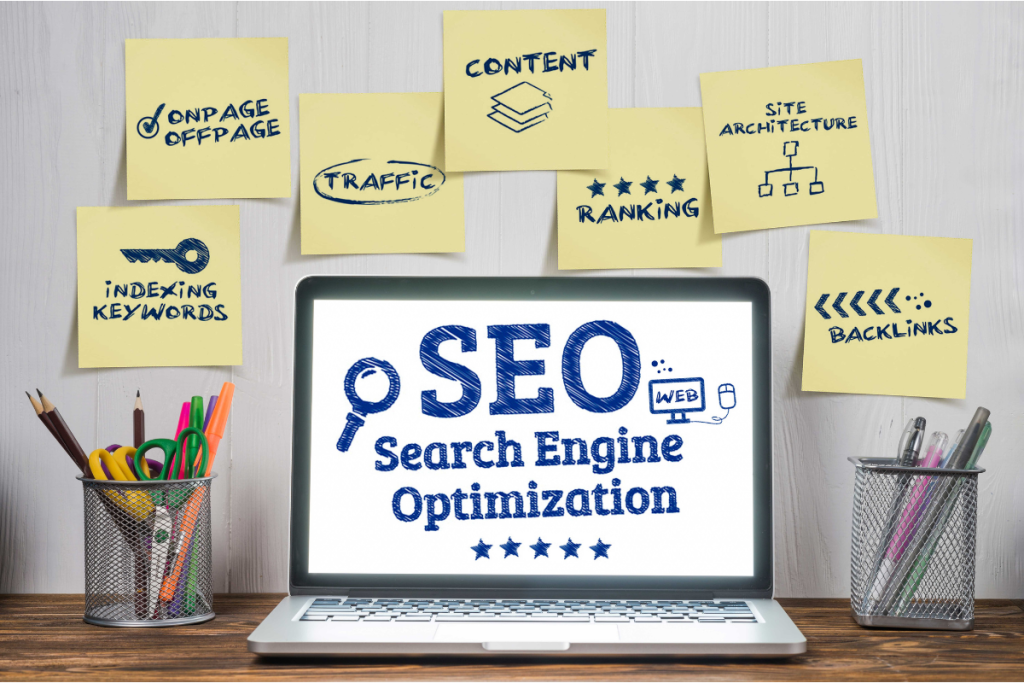
Where AI Is Making the Biggest Difference
Smarter keyword research. Traditional keyword research was based only on search volume and keyword difficulty. But AI can take it a step further — it can consider intent, related topics, seasonal trends and long-tail phrases users are genuinely typing. As a result, rather than hitting on a single keyword over and over, you’re creating content that addresses a plethora of related queries.
Understanding search intent. There are four types of search intent: informational, navigational, commercial and transactional. AI uses to determine which applies to a specific query: A query like what is AI SEO? will find an explanation, while best AI SEO software will be closer to a purchase. Understanding the difference affects your writing.
Content optimization. Word count isn’t the only thing that makes good content. Tools powered by AI analyze readability, topic coverage, heading structure, and internal linking potential, providing data-driven suggestions rather than educated guesses for writers. However, an AI is not meant to write for you, not write in your voice, but to help you, and Google still values authentic human and experience-driven content.
Technical SEO audits. The hours of painstakingly going through hundreds of pages, checking for broken links, slow load times, or duplicate content are now a thing of the past. The whole site is now scanned in minutes and prioritized with AI-based audit tools to identify the most critical fixes first.
Competitor analysis. It takes an eternity to do a manual study of competitor websites. With AI, you can find that out by getting the keywords your competitors are ranking for, the best pages, and the content gaps, so you can see if there’s an opportunity you can go after, like if your competitor hasn’t written a comparison guide.
Predicting trends. Perhaps AI has the greatest advantage in identifying patterns that aren’t apparent to the naked eye yet. It can predict trends based on search activity and seasonality, and industry news, which means businesses can publish first and not lag behind.
Personalization. Search results are now increasingly influenced by a user’s location, device, language and previous behavior. This forces marketers to consider going beyond the generic keyword targeting and develop content that can cater to multiple intents and target users.
What AI SEO Actually Gets You?
The most significant advantage is the time. Time-consuming tasks like keyword research, audits, competitor digging can now be done in minutes, giving marketers more time to focus on strategy. Also, it refines decision making as recommendations are based on actual data and not assumptions.
Content quality gets enhanced too as AI identifies missing topics, associated questions, and readability fixes. Technical problems are identified earlier. AI can improve navigation, structure, and mobile experience, keeping users engaged longer, and search engines see the sign of a good experience.
Where AI Still Falls Short?
There’s one thing, however, that isn’t all smooth sailing.
While AI can generate content rapidly, it may fall short in capturing the personal touch, originality, and authenticity of writing. It’s not always accurate either — if there’s any outdated stats or shaky facts, they can get into there and all must be checked by a human before it goes live.
Businesses could also face the danger of having similar content distributed over the Internet if they let the AI-generated material go without being edited. Google will definitely prefer content that is helpful and original rather than one that is simply created for ranking. Also, as Google’s algorithms continue to evolve, no tool’s suggestions should be taken at face value – human judgment is required to chart a course.
Tools Worth Knowing in 2026
Some tools are mentioned repeatedly: ChatGPT and Google Gemini for ideation and research, Semrush and Ahrefs for keyword research, backlink checking, and competitor analysis, Surfer SEO and Clearscope for content optimization, Google’s existing content, and Jasper AI for content briefing and drafting.
All of these are not ranking but rather recommendation engines. Ranking is still all about publishing something useful.
Getting AI SEO Right
There are some good habits that make a difference between those who use AI and those who simply rely on it:
Write with the reader in mind. Does your content actually address the question? Does it provide accurate information? Would it benefit someone without leaving your site?
Use AI to assist, not to replace, as author. Use for outlines and research, but double check facts, add experience and edit before publishing for voice.
Target the intent of the person, not the keywords. People looking up “AI SEO” may be looking for a definition, how-to guides, recommendations for tools or a comparison.
Develop E-E-A-T: Including real sources, keeping the information up-to-date, and providing practical, first-hand examples where possible.
Keep tracking performance. You can use Google Search Console and Analytics to find out what’s actually working, and make adjustments accordingly.
This Is Where This Is Headed Up To.
Voice search is promoting a more natural and conversational approach to content. AI-generated summaries are becoming a core part of the search experience itself, and content that is clear and well-structured is rewarded. Customization will become more personal and predictive tools will continue to identify trends earlier. There will be more heavy lifting done by automation, but the human element will not be replaced, it’s what keeps the content honest and original.
Conclusion
AI has truly transformed the SEO landscape—with quicker research, audits, and better content choices. However, it’s best used as a force multiplier for good SEO use, rather than a replacement for it. The companies that will thrive are the ones that leverage AI to act swiftly, yet remain grounded in their expertise, honesty, and human judgment when creating content.
Quick FAQs
What is AI SEO?
Leveraging AI for quick and efficient keyword research, content optimization, and technical audits.
Is it possible to have an AI take the place of an SEO service provider?
No, it’s capable of repetitive tasks, but it still needs a human with strategy, creativity and fact checking.
What tools should you give a try?
Depending on your needs, choose among ChatGPT, Google Gemini, Semrush, Ahrefs, Surfer SEO, Frase, Clearscope, and Jasper AI.
But is AI-generated content suitable for SEO?
Yes, provided that it is accurate and original, and has been read by a human before being published.
Where do you think this is going?
Moving towards more conversational search, increased personalization and smarter automation – but still a lot of human oversight.