

Getting found online is no longer optional for B2B companies. Before making a decision, buyers search Google, compare different providers, read helpful blogs, and look for trusted businesses that can solve their problems. If your website is not visible during this process, you could lose valuable opportunities to your competitors. That is why Enterprise SEO for B2B has become one of the smartest long term investments for businesses that want steady growth and stronger online authority.
Large B2B companies often manage hundreds or even thousands of web pages, serve different industries, and reach customers across multiple countries. At the same time, artificial intelligence is changing digital marketing and making search engines smarter. Businesses that combine SEO with AI driven insights are improving visibility, attracting better leads, and staying ahead of the competition.
In this blog, you will learn how it works, why it matters in 2026, and the best practices for long term success.
What Is Enterprise SEO for B2B?
Enterprise SEO for B2B is the process of optimizing large business websites to improve their visibility in search engines and attract qualified business buyers. Unlike traditional SEO, enterprise SEO focuses on websites with large amounts of content, multiple products or services, complex site structures, and high competition.
The goal is not simply to increase website traffic. Instead, enterprise SEO helps businesses attract visitors who are actively searching for solutions and are more likely to become customers.
Enterprise websites usually include:
- Hundreds or thousands of pages
- Multiple service categories
- Industry specific landing pages
- Resource libraries
- Blogs
- International content
- Product documentation
- Case studies
Managing SEO at this scale requires careful planning, technical expertise, and a long term strategy.
Why Enterprise SEO Matters More Than Ever
Today’s B2B buyers complete a large portion of their research before speaking with a sales representative. If your business does not appear in search results during that research process, potential customers may never find your solutions.
A strong B2B Enterprise SEO strategy helps businesses:
- Increase qualified organic traffic
- Build trust with decision makers
- Improve brand authority
- Generate long term leads
- Reduce paid advertising costs
- Support global business growth
- Improve customer acquisition over time
Unlike paid advertising, SEO continues generating traffic long after content is published, making it one of the most cost effective digital marketing channels.
The AI Era Is Changing Enterprise SEO
Artificial intelligence is changing both how people search and how businesses create content.
Search engines now understand:
- User intent
- Context
- Topic relevance
- Content quality
- Website authority
- User experience
Simply adding keywords throughout a page is no longer enough. Businesses must provide valuable, accurate, and helpful information that genuinely answers users’ questions.
This evolution has also introduced powerful AI tools that help marketers analyze data, identify opportunities, automate repetitive work, and optimize websites faster than ever before.
However, successful SEO still depends on human expertise. AI can speed up processes, but it cannot replace strategic thinking, industry knowledge, or authentic content.
How Generative AI Is Transforming Digital Marketing Strategies in 2026
One of the biggest trends shaping modern marketing is How Generative AI Is Transforming Digital Marketing Strategies in 2026. Businesses are no longer using AI only for automation. They are integrating it into every stage of their digital marketing strategy, including content creation, customer engagement, campaign planning, keyword research, and SEO optimization.
Generative AI helps marketing teams:
- Generate content ideas
- Analyze customer behavior
- Create content briefs
- Improve content optimization
- Discover keyword opportunities
- Personalize marketing campaigns
- Predict future search trends
For enterprise organizations managing thousands of web pages, these capabilities save valuable time while improving consistency across large websites.
The most successful companies are using AI as a productivity tool rather than relying on it to replace human expertise. Every AI generated draft should still be reviewed, edited, and enhanced by professionals who understand the audience and industry.
Key Components of a Successful Enterprise SEO Strategy
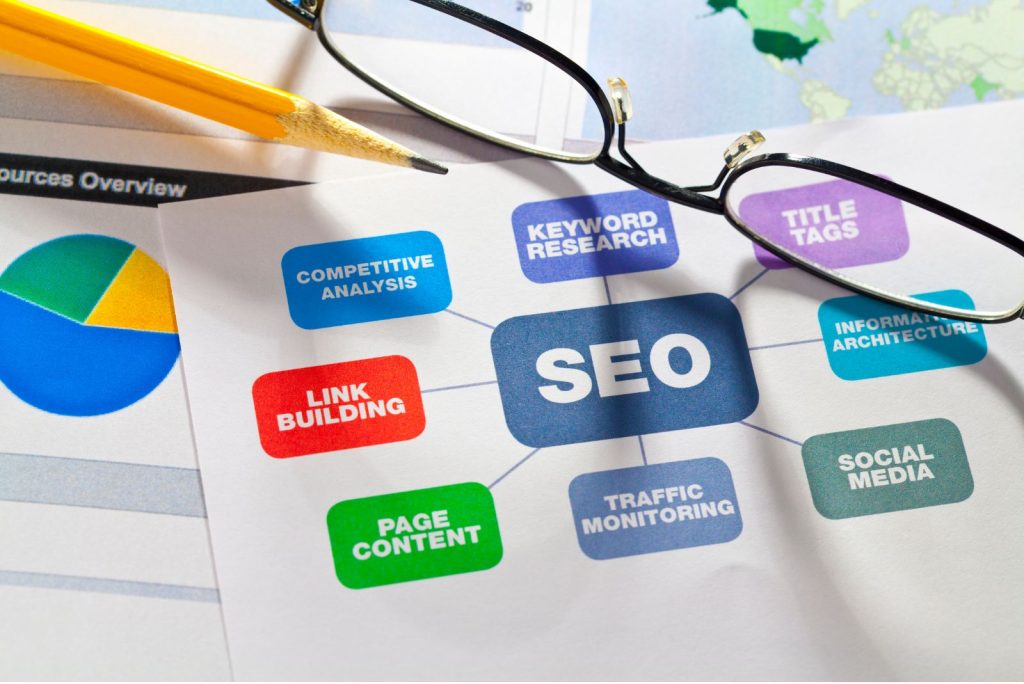
Building a successful Enterprise SEO Strategy requires more than publishing regular blog posts. Every part of your website should work together to improve visibility and user experience.
1. Technical SEO
Technical SEO forms the foundation of every enterprise website.
Search engines must be able to crawl, understand, and index your pages efficiently.
Important technical factors include:
- Fast loading speed
- Mobile friendly design
- Secure HTTPS
- Structured data
- XML sitemaps
- Clean URL structures
- Canonical tags
- Crawl optimization
Small technical issues can affect hundreds or even thousands of pages, making regular audits essential.
2. Comprehensive Keyword Research
Enterprise keyword research goes beyond finding high volume search terms.
Businesses should target keywords across every stage of the buyer journey.
Examples include:
- Informational keywords
- Commercial keywords
- Industry specific searches
- Product related terms
- Comparison searches
- Long tail keywords
This balanced approach helps attract users whether they are learning about a problem or ready to purchase a solution.
3. Content That Builds Authority
Search engines reward websites that consistently publish valuable information.
Instead of writing random blog posts, enterprise businesses should organize content into topic clusters.
For example, if your business offers cloud solutions, supporting content may include:
- Cloud migration
- Cloud security
- Hybrid cloud
- Disaster recovery
- Cloud cost optimization
- Cloud compliance
Together, these articles demonstrate expertise and strengthen your authority in search results.
High quality content should always focus on solving customer problems rather than simply promoting products.
4. Internal Linking Strategy
Internal links help search engines understand relationships between pages while guiding visitors to relevant resources.
A strong internal linking strategy:
- Improves website navigation
- Passes authority between pages
- Increases page discovery
- Supports conversions
- Reduces bounce rates
Every blog should naturally connect readers to related services, guides, and case studies.
5. Scalable Content Management
Large organizations often publish content from multiple departments.
Creating editorial guidelines helps maintain consistency across every page.
An effective workflow includes:
- Content planning
- Expert research
- AI assisted drafting
- Human editing
- SEO optimization
- Regular content updates
This process ensures quality while allowing businesses to scale efficiently.
Enterprise SEO Best Practices for Long Term Growth
A successful enterprise SEO campaign is not built overnight. It requires consistent effort, ongoing optimization, and a strategy that evolves with search engine updates. Following proven Enterprise SEO Best Practices helps businesses improve rankings, strengthen authority, and generate qualified leads over time.
Focus on Search Intent
Every piece of content should answer a specific question or solve a problem for your audience. Modern search engines prioritize pages that satisfy user intent rather than those that simply repeat keywords.
Before creating content, ask yourself:
- What is the user trying to learn?
- What problem are they trying to solve?
- What information will help them make a business decision?
When your content provides genuine value, both users and search engines reward it.
Create High Quality Content Consistently
Publishing one great article every few months is no longer enough for enterprise websites. Large organizations should build content libraries that cover every stage of the buyer journey.
Effective content includes:
- Industry guides
- Educational blog posts
- Case studies
- Whitepapers
- Service pages
- FAQs
- Customer success stories
Fresh, accurate, and informative content signals expertise and builds trust with potential customers.
Strengthen Internal Linking
Many enterprise websites have valuable pages that receive little traffic simply because they are difficult to discover.
A smart internal linking strategy helps visitors navigate your website while allowing search engines to understand which pages are most important.
Whenever you publish a new article, connect it naturally to:
- Related blogs
- Service pages
- Industry resources
- Case studies
- Contact pages
Keep Existing Content Updated
SEO is an ongoing process. Search engines prefer content that stays accurate and relevant.
Regularly update:
- Statistics
- Industry trends
- Screenshots
- Examples
- Product information
- Internal links
Refreshing older content can often improve rankings without creating entirely new pages
Optimize User Experience
Google increasingly measures how users interact with your website.
An optimized user experience includes:
- Fast loading pages
- Mobile friendly layouts
- Clear navigation
- Easy to read content
- Secure browsing
- Simple calls to action
When visitors enjoy using your website, they stay longer and engage more with your content.
How AI in SEO Is Helping Enterprise Businesses Grow
The role of AI in SEO has expanded significantly in 2026. Instead of replacing SEO professionals, AI allows teams to work smarter by automating repetitive tasks and uncovering valuable insights.
Some of the most common applications include:
Smarter Keyword Research
AI tools can analyze thousands of search queries within minutes, helping marketers identify high value keyword opportunities that might otherwise be overlooked.
Faster Content Planning
AI can organize related topics, identify content gaps, and generate detailed outlines based on user intent.
This helps marketing teams create comprehensive content strategies while saving valuable planning time.
Better Content Optimization
Modern AI platforms evaluate content based on readability, topical coverage, semantic relevance, and keyword optimization.
These recommendations help improve both user experience and search performance.
Advanced Competitor Analysis
Understanding competitors is essential for enterprise SEO.
AI tools can quickly identify:
- Competitor keywords
- Content gaps
- Backlink opportunities
- Ranking improvements
- Emerging industry trends
This information helps businesses make more informed marketing decisions.
Predictive SEO Insights
One of AI’s biggest advantages is its ability to identify patterns.
Businesses can forecast:
- Seasonal keyword demand
- Declining content performance
- New ranking opportunities
- Changes in customer behavior
These insights help marketers stay ahead of competitors instead of reacting after rankings decline.
Common Enterprise SEO Challenges
Enterprise SEO offers tremendous opportunities, but large organizations also face unique challenges.
Managing Large Websites
Enterprise websites often contain thousands of pages, making optimization much more complex than smaller business websites.
Without proper organization, valuable content may never be indexed effectively.
Multiple Teams Publishing Content
Marketing, product, sales, and technical teams often publish content independently.
Without clear editorial standards, businesses risk creating duplicate pages, inconsistent messaging, and keyword cannibalization.
Technical SEO Issues
Minor technical problems can affect large sections of an enterprise website.
Examples include:
- Broken links
- Slow page speed
- Duplicate content
- Crawl errors
- Incorrect redirects
- Poor site architecture
Regular technical audits help identify and resolve these issues before they impact performance.
Keeping Up With AI and Search Updates
Search engines continue evolving rapidly.
Businesses that fail to adapt their content strategies risk losing valuable organic visibility.
Continuous monitoring and optimization are essential for long term success.
Why Professional Enterprise SEO Services Matter

Many organizations choose professional Enterprise SEO Services because managing SEO at scale requires specialized knowledge and ongoing attention.
A dedicated SEO partner can help with:
- Technical SEO audits
- Content strategy
- Keyword research
- Website architecture
- Performance monitoring
- Competitor analysis
- AI powered optimization
- Continuous reporting
Professional guidance allows internal teams to focus on business operations while experienced SEO specialists manage long term organic growth.
Ready to improve your online presence? Discover how our SEO experts create customized strategies that deliver measurable business results.
Measuring Enterprise SEO Success
Enterprise SEO should always be measured using business focused metrics rather than rankings alone.
Important performance indicators include:
- Organic traffic growth
- Qualified leads
- Conversion rate
- Keyword visibility
- Customer acquisition cost
- Organic revenue
- Click through rate
- Average engagement time
- Indexed pages
- Returning visitors
Tracking these metrics provides a clearer understanding of how SEO contributes to overall business growth.
The Future of Enterprise SEO
Search behavior continues to evolve, and businesses that adapt early will have a significant competitive advantage.
Key trends shaping the future include:
- AI powered search experiences
- Voice and conversational search
- Personalized search results
- Entity based optimization
- First party data strategies
- Helpful content focused SEO
- Stronger emphasis on expertise and trust
The businesses that consistently publish valuable content and embrace new technologies will continue to strengthen their online authority.
Whether you are building your enterprise SEO strategy from the ground up or improving an existing campaign, we provide solutions that support sustainable success.
Conclusion
Growing a strong online presence takes more than simply ranking on search engines. As competition continues to grow, Enterprise SEO for B2B has become a smart long term investment for businesses that want steady growth. A successful strategy combines technical excellence, valuable content, the intelligent use of AI in SEO, and a clear understanding of what customers are searching for. Together, these elements help businesses build trust and attract the right audience.
The companies that consistently improve their websites, create helpful content, and deliver a better user experience will have a stronger advantage in the future. Enterprise SEO is no longer just about ranking for keywords. It is about becoming the trusted resource your audience chooses whenever they need answers, solutions, or a reliable business partner.
Why Choose IT Advice for Enterprise SEO?
Growing a large business online requires more than basic SEO. It requires a strategy that aligns with your business goals, adapts to changing search algorithms, and delivers measurable results.
At IT Advice, we help organizations build scalable digital marketing strategies through technical SEO, content optimization, AI driven insights, and modern website solutions. Our team focuses on improving organic visibility, attracting qualified leads, and creating long term growth opportunities for businesses across different industries.
Contact IT Advice today to discuss your SEO and digital marketing needs and start building stronger online authority.
FAQ’s
1. What is SEO in B2B?
B2B SEO is the process of optimizing a business website to attract companies and decision makers through organic search. It focuses on generating qualified leads by creating valuable, search optimized content.
2. What is enterprise SEO?
Enterprise SEO is a large scale SEO approach designed for organizations with extensive websites, multiple products or services, and complex digital structures. It combines technical SEO, content strategy, and continuous optimization to improve search visibility.
3. How is AI changing enterprise SEO in 2026?
AI is helping businesses automate keyword research, analyze competitors, optimize content, identify new opportunities, and improve decision making. Human expertise is still essential to create accurate, trustworthy, and engaging content.
4. What are the biggest enterprise SEO challenges?
The biggest challenges include managing large websites, maintaining technical SEO, preventing duplicate content, coordinating multiple teams, and adapting to frequent search engine updates.
5. What are the best enterprise SEO tools for large businesses?
Popular enterprise SEO tools include Google Search Console, Google Analytics 4, Ahrefs, Semrush, Screaming Frog, BrightEdge, Conductor, and AI powered SEO platforms that help businesses monitor performance and improve search visibility.