You work hard. Your product is good. But your competitors are getting all the customers and you’re wondering why.
Here’s the hard truth: people don’t buy from the best business. They buy from the one they find first. That’s the power of digital marketing and it’s the reason your small business needs it right now. The good news? You don’t need a big budget or a marketing degree to get started. Thousands of small business owners are growing online with just the right steps and a little consistency.
Whether you’re a local shop owner, a freelancer, or a startup founder, this blog will show you exactly how to start digital marketing the right way step by step, without wasting time or money. No fluff. No confusion. Just a clear path forward.
Why Digital Marketing Matters for Small Businesses
Before we dive into the steps, let’s be clear about one thing: your customers are online. They’re searching Google, scrolling Instagram, watching YouTube, and reading emails. If your business isn’t showing up in those places, you’re leaving money on the table every single day.
Digital marketing levels the playing field. A small business with a smart strategy can outperform a big brand with a lazy one. That’s the power of going digital.
Step 1: Define Your Goals and Know Your Audience
Every successful marketing plan for startups begins with one simple question: What do you want to achieve?
Do you want more website visitors? More phone calls? More sales? More brand awareness?
Your goals will shape every decision you make from the platforms you use to the content you create.
Once you know your goals, get crystal clear on who you’re talking to. Your target audience is the foundation of your entire strategy. Ask yourself:
- How old are they?
- Where do they live?
- What problems do they have?
- Where do they spend time online?
The more specific you are, the better your marketing will perform. A message that speaks to everyone ends up speaking to no one.
Pro tip: Create a simple “customer persona” , a fictional profile of your ideal customer. Give them a name, a job, and a problem your business solves. This will guide all your content and campaigns.
Step 2: Build a Professional Website
Your website is your digital storefront. It’s the first place people go to check if you’re legit and if it looks outdated, slow, or confusing, they’ll leave in seconds.
A good small business website should:
- Load fast (under 3 seconds)
- Work perfectly on mobile
- Clearly explain what you do and who you serve
- Have a strong call-to-action (like “Get a Free Quote” or “Book a Call”)
- Include your contact details and location
You don’t need anything fancy. A clean, professional website built on WordPress or Shopify can do the job beautifully. Need a website that actually converts? Explore our web development services
Step 3: Set Up and Optimize Your Google Business Profile
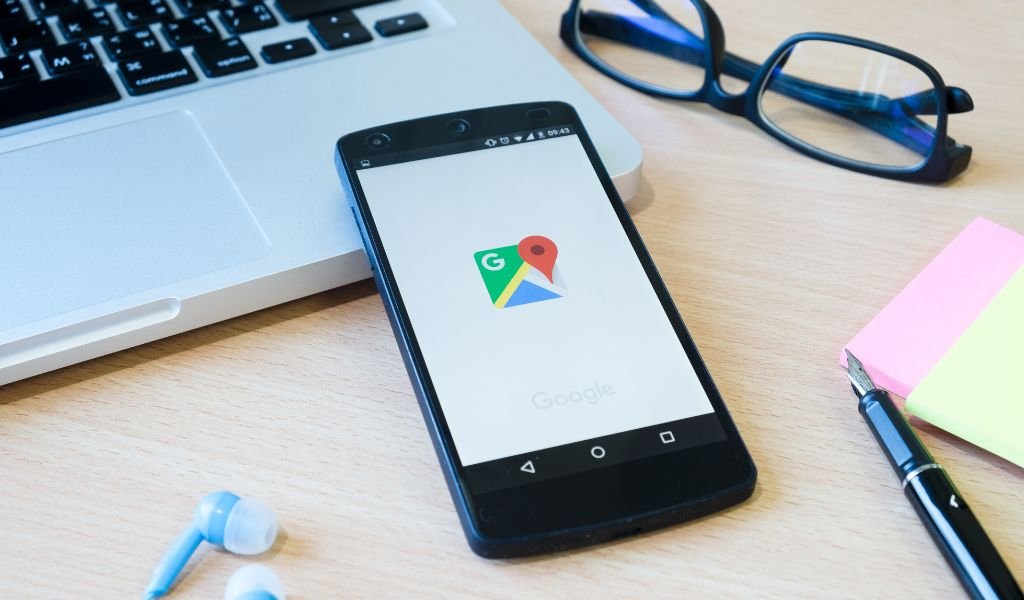
If you serve local customers, this step alone can bring you more business than almost anything else.
A Google Business Profile (formerly Google My Business) lets your business show up in local search results and on Google Maps. When someone searches “digital marketing agency near me” or “best IT company in Lahore,” businesses with optimized profiles appear first.
Here’s how to make the most of it:
- Add your business name, address, phone number, and website
- Upload high-quality photos of your team, office, or products
- Collect and respond to customer reviews
- Post regular updates and offers
This is completely free and incredibly powerful, especially for small businesses targeting a local audience.
Step 4: Create a Simple but Smart Content Strategy
Content is the engine that drives digital marketing. Blog posts, social media updates, videos, infographics, all of it helps you attract, educate, and convert your audience.
But here’s where most small businesses go wrong: they create content without a plan.
A smart content strategy starts with keyword research. Find out what your potential customers are searching for on Google, and create content that answers those questions. This is the core of SEO (Search Engine Optimization) and it’s how you get free, organic traffic to your website month after month.
Some content ideas for small businesses:
- How-to blog posts that solve common problems
- Behind-the-scenes videos of your business
- Customer success stories and testimonials
- Tips and tricks related to your industry
- FAQs your customers always ask
Want to rank higher on Google? Check out our SEO services
Consistency matters more than perfection. Start with one blog post per week and two to three social media posts. Build from there.
Step 5: Get Active on the Right Social Media Platforms
Social media is where your audience hangs out but you don’t need to be on every platform. You just need to be on the right ones.
Here’s a quick guide:
| Platform | Best For |
| Local businesses, older demographics, community building | |
| Visual brands, fashion, food, lifestyle, younger audiences | |
| B2B businesses, professional services, corporate clients | |
| TikTok | Short-form video, younger audiences, viral content |
| YouTube | Long-form video, tutorials, product demos |
Pick two platforms where your audience is most active and focus your energy there. Post regularly, engage with comments, and don’t just sell, educate, entertain, and inspire.
Social media builds trust over time. The businesses that show up consistently are the ones people remember when they’re ready to buy.
Need help managing your social media? See how we do it
Step 6: Plan Your Marketing Budget for Small Business

One of the biggest fears small business owners have is spending money on marketing and not seeing results. That fear is valid, but the solution isn’t to avoid spending. It’s to spend smartly.
Here’s a simple framework for your marketing budget for small business:
- Start small, test fast. Allocate a small budget (even $5–$10/day) to paid ads and see what works before scaling up.
- Prioritize high-ROI channels. SEO and email marketing typically deliver the best long-term return. Google Ads and social media ads deliver faster results.
- Track everything. Use free tools like Google Analytics and Google Search Console to see where your traffic comes from and what’s converting.
A general rule of thumb: small businesses should spend 7–10% of their revenue on marketing. If you’re just starting out, even a modest budget of $200–$500/month can produce real results when spent wisely.
Here’s a simple budget breakdown for beginners:
- SEO / Content: 40%
- Paid Ads (Google/Social): 35%
- Email Marketing Tools: 10%
- Social Media Management: 15%
The key is not how much you spend, it’s how strategically you spend it.
Step 7: Track, Measure, and Improve
This is the step most small businesses skip and it’s the one that separates businesses that grow from businesses that stall.
Digital marketing is not a “set it and forget it” game. You need to constantly look at your data, understand what’s working, and double down on it.
Key metrics to track:
- Website traffic: How many people are visiting your site?
- Bounce rate: Are they staying or leaving immediately?
- Conversion rate: How many visitors are taking action (calling, buying, signing up)?
- Cost per lead: How much are you spending to acquire each new customer?
- Social media engagement: Are people liking, sharing, and commenting?
Use tools like Google Analytics, Google Search Console, Meta Business Suite, and Semrush to monitor your performance. Review your numbers at least once a month and adjust your strategy accordingly.
Marketing is a cycle: Plan → Execute → Measure → Improve → Repeat.
The businesses that grow fastest are the ones that learn fastest.
Bonus Tips to Accelerate Your Digital Marketing Results
Once you’ve got the basics in place, here are a few extra strategies to speed up your growth:
- Email marketing: Build an email list from day one. It’s one of the highest-ROI channels available. Explore our email marketing services
- Google Ads: Want faster results? A well-managed PPC campaign can put you in front of customers who are actively searching for what you offer. See our Google Ads management
- Online reviews: Ask happy customers to leave Google reviews. Social proof is one of the most powerful conversion tools available.
- Influencer & affiliate marketing: Partner with micro-influencers in your niche to reach new audiences without a huge budget. Learn about our influencer marketing services
Conclusion
Digital marketing for your small business doesn’t have to feel scary or complicated. You don’t need to do everything at once, you just need to take the first step. Start with a clear goal, follow the plan, and keep learning as you grow. Here’s a quick recap of the 7 simple steps to start digital marketing for your small business: Define your goals and know your audience, Build a professional website, Set up your Google Business Profile, Create a content strategy focused on SEO, Get active on the right social media platforms, Plan a realistic marketing budget, and Track, measure, and continuously improve.
Every brand you admire today was once unknown. The only difference between them and you? They started. They stayed consistent. And they never stopped improving. Now it’s your turn your customers are already searching. Make sure they find you.
Ready to Grow Your Business Online?
At IT Advice, we’ve helped 1,100+ businesses across Pakistan and beyond build powerful digital presences from SEO and social media to web development and Google Ads. Whether you’re just starting out or looking to scale, our team of certified experts is ready to help. Get a Free Consultation Today
FAQ’s
Q1. How do I start digital marketing for my small business?
Start with a professional website, set up your Google Business Profile, and pick 1–2 social media platforms. Focus on SEO and consistent content from day one.
Q2. How much budget do I need for digital marketing?
Even $200–$500/month is enough to start. Spend on SEO and Google Ads first they give the best return for small businesses.
Q3. Which platform is best for small business marketing?
Google for search traffic, Facebook/Instagram for local awareness, and LinkedIn for B2B. Choose based on where your customers spend time.
Q4. How long before I see results?
Google Ads can show results in days. SEO takes 3–6 months. Staying consistent digital marketing is a long-term game that pays off.
Q5. Should I hire an agency or do it myself?
You can start solo, but an experienced agency saves time and avoids costly mistakes. It’s worth it once you’re ready to scale.